What Are the 5 Basic Massage Techniques? A Simple Guide
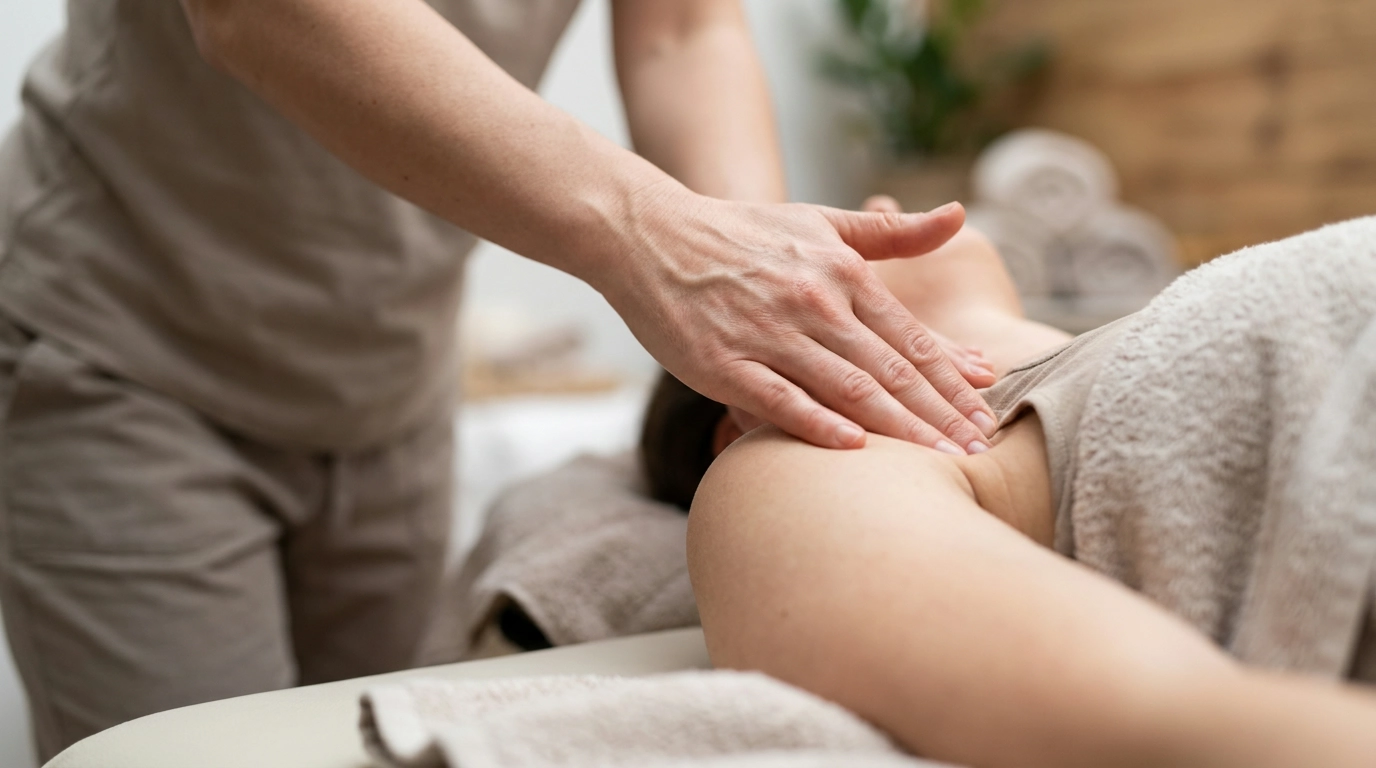
What are the 5 basic massage techniques?
The five basic massage techniques are effleurage, petrissage, friction, tapotement, and vibration. These movements are commonly associated with Swedish massage, and each uses a different kind of pressure or rhythm. You can combine them in a session or use one technique on its own, depending on your comfort and goals.
For a broader introduction, explore our guide to basic massage techniques.
1. Effleurage: long, gliding strokes
Effleurage uses smooth strokes, usually with the palms or fingers, over a broad area. It often begins and ends a massage and can help spread massage oil evenly. Start with light pressure and move slowly; you can adjust the pressure as the area warms up.
2. Petrissage: kneading and lifting
Petrissage involves gently kneading, rolling, or lifting soft tissue. You may recognize the movement from a shoulder massage, where the muscle is lightly squeezed and released. Work gradually and avoid pinching the skin or pressing directly on bones.
3. Friction: focused, controlled pressure
Friction uses small circular or back-and-forth movements over a localized area. It is more focused than a broad gliding stroke, so begin gently and ask for feedback. Avoid using intense friction on irritated skin, a fresh injury, or an area that feels painful.
4. Tapotement: rhythmic tapping
Tapotement consists of repeated, rhythmic movements such as light tapping or cupping with the hands. The sensation can be invigorating, but it should never feel jarring. Use a gentle touch on fleshy areas and avoid the spine, joints, and other bony spots.
5. Vibration: gentle shaking
Vibration uses small, rapid shaking or trembling movements, typically made with the hands or fingertips. Keep the motion comfortable and controlled rather than applying heavy pressure. A brief application can be enough, especially when you are new to the technique.
How can you practice comfortably?
Our team recommends starting slowly, communicating about pressure, and stopping if a movement causes pain. A small amount of massage oil or lotion can make gliding strokes more comfortable; choose a product suited to your skin and stop using it if irritation develops. If you have an injury, a medical condition, or are pregnant, ask a qualified healthcare professional which techniques are appropriate for you.
FAQ
Does a massage have to hurt to be effective?
No. Massage pressure should feel manageable, and you can ask for a lighter touch at any time. Stop if you experience sharp pain or discomfort that persists.










Leave a comment